What 360° Preschool Franchise Support Should Look Like After the Sales Call
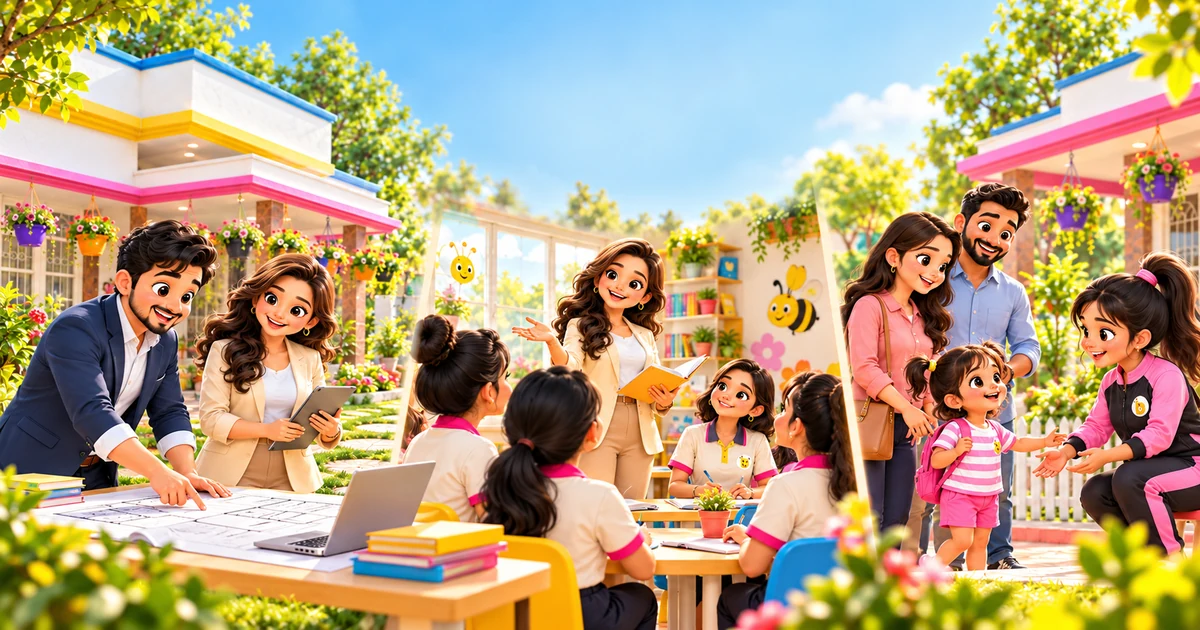
"From site readiness to teacher development and parent engagement, meaningful support is a sequence of deliverables—not a brochure phrase."
‘360° support’ is useful only when a partner can see what happens before launch, during launch and after the first admissions. KIPS is designed to bring academic, operational and parent-facing support into one partnership journey, while the local operator remains responsible for strong execution.
Before launch: turn an idea into a workable centre
Early support should test the basics: location suitability, usable space, programme mix, budget, classroom flow, child safety, staffing plan and launch timeline. For an existing preschool, the first step should also review what can be retained, adapted or replaced so that rebranding does not create unnecessary waste.
The output should be a centre-readiness plan with responsibilities and dates—not a vague promise to ‘help with setup’.
Academic setup: make the curriculum teachable
The strongest curriculum is useless if teachers cannot translate it into daily practice. Partners need programme plans, daily or weekly learning guidance, resource expectations, observation methods and clear explanations of how play connects with developmental goals.
Kinderbee’s published support ecosystem includes curriculum design, teacher training and operational guidance, while its franchise materials also describe daily lesson plans, portfolio documentation and school-home engagement.
People: prepare the adults who create the experience
Teacher orientation should cover not only activities but also child observation, language use, classroom routines, parent communication and the philosophy behind the pedagogy. Nannies and support staff also need role-specific preparation because care, hygiene and emotional safety are part of the parent experience.
Admissions and parent trust: local execution with shared tools
A national brand can provide creative assets, positioning and campaign guidance, but the centre wins trust locally through tours, responsiveness, community presence and consistent follow-up. The best support helps the operator build a repeatable enquiry-to-admission process rather than depend on occasional promotions.
After opening: review, improve, repeat
Support should continue through academic review, centre-quality checks, staff development, parent-engagement routines and problem solving. Ask how often reviews happen, what is documented and what action follows when a gap is identified.
That is the difference between a launch package and a partnership system.
Ask for deliverables, not adjectives: For every promise—‘marketing support’, ‘teacher training’, ‘quality assurance’—ask what is delivered, by whom, how often, in what format, and whether it is included in the commercial schedule.
Questions readers often ask
Does KIPS manage the centre for the franchisee?
The local owner/operator remains responsible for day-to-day management and local compliance. KIPS provides the agreed brand, academic, training, operational and marketing support scope.
Is rebranding support different from a new-centre launch?
Yes. A rebrand should begin with a transition review that protects parent continuity and evaluates which existing assets, practices and staff can be retained or adapted.
See the support journey before you sign
Ask the KIPS team to walk you through the pre-launch, launch and ongoing support deliverables for your specific city and centre type.
Related Publications in Franchise & Business Growth
The Zero-Royalty Edge: What It Changes for a Preschool Entrepreneur

A Financial Blueprint for Starting a Premium Preschool in India