What Nordic-Inspired Play-Based Learning Looks Like in an Indian Preschool
"Less about importing a foreign classroom, more about giving young children time to play, talk, move, explore and learn with responsive adults."
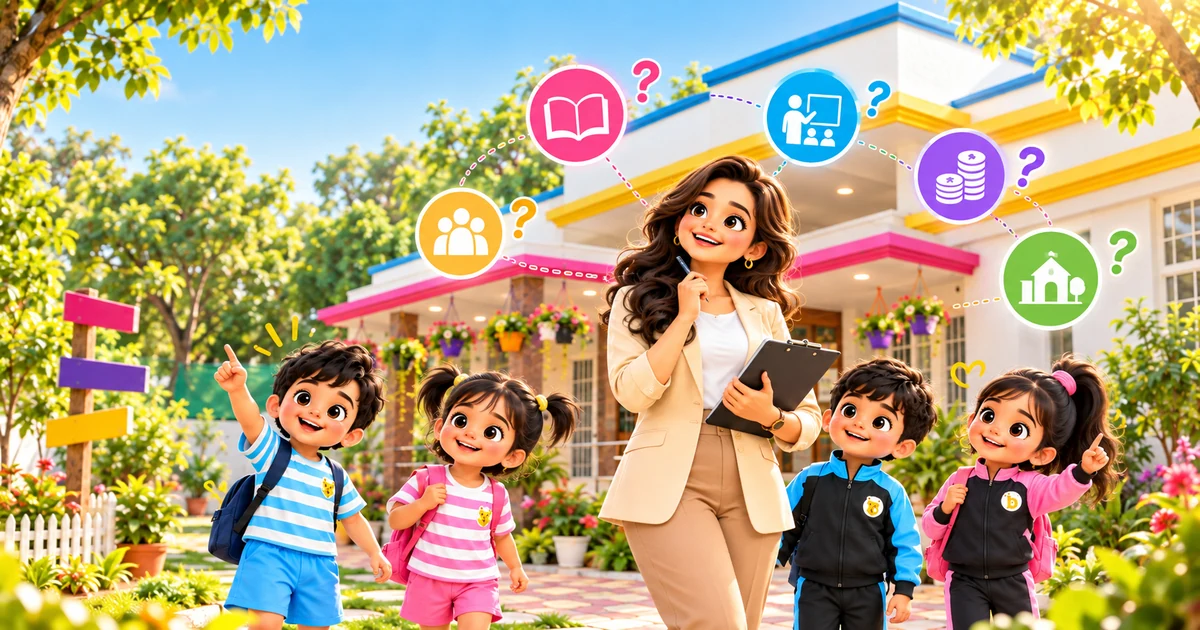
When parents hear ‘Nordic-inspired’, the useful question is not whether the classroom looks Scandinavian. It is whether the learning experience respects childhood. At Kinderbee, the idea is expressed through a child-centred, play-based approach that can be localised to Indian languages, families, seasons and community life.
Play is not a break from learning
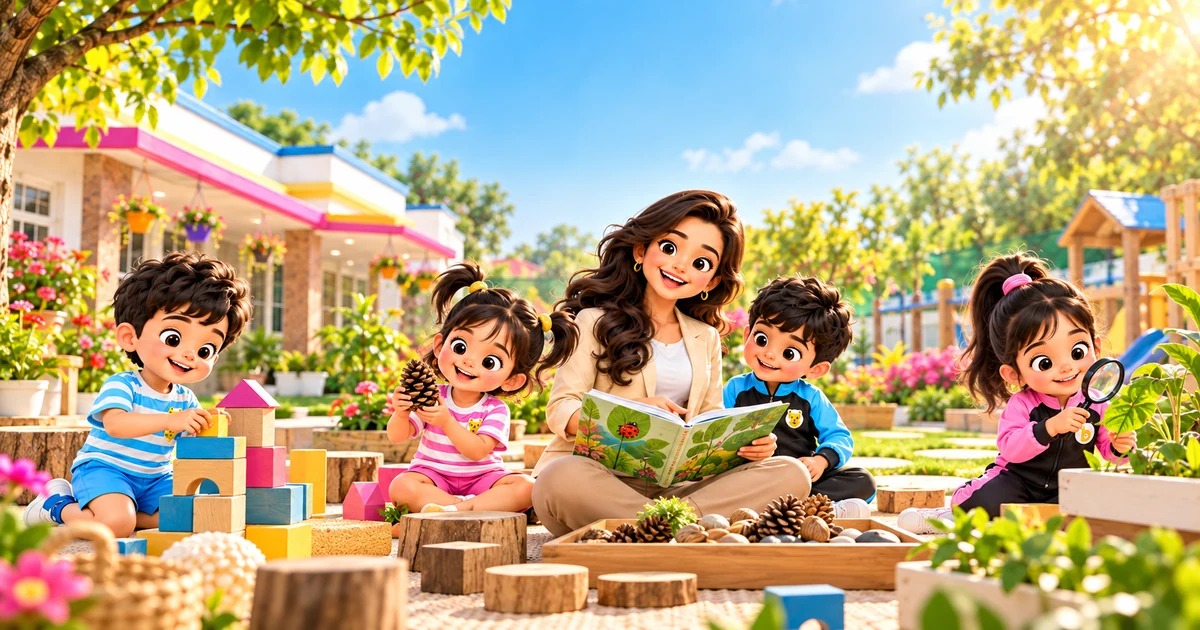
Young children build language, social understanding, early mathematics, physical coordination and problem-solving while they play. A shop corner can involve counting and conversation; block play can involve balance, shape and planning; a story can lead to role play, drawing and new vocabulary.
India’s own National Curriculum Framework for the Foundational Stage places play at the core of early-years learning, including free, guided and structured play.
The teacher guides without controlling every moment
In guided play, the child remains active while the adult gently extends the experience. A teacher might ask, ‘How could we make this tower stronger?’ or ‘What do you think will happen if we add more water?’ The aim is not to supply the answer immediately but to help children observe, predict and explain.
This requires teachers to notice children’s interests and know when to step in and when to give them space.
Well-being belongs in the curriculum
A good preschool day includes movement, relationships, care routines, rest and emotional security—not only early literacy and numeracy. Children who feel safe are more willing to speak, try, make mistakes and explore.
That is why classroom tone, transition routines and the way adults respond to children matter just as much as the activity sheet.
Local context makes global ideas meaningful
An Indian child’s classroom can include local stories, familiar foods, regional languages, festivals, neighbourhood walks and family experiences while still using child-centred pedagogy. The point is not imitation; it is thoughtful adaptation.
Parents can look for this balance during a school visit: playful learning with clear purpose, and global inspiration grounded in the child’s own world.
Try it together: At home, give your child a small open-ended challenge: build a bridge for a toy using boxes, paper and tape. Ask questions, but resist fixing it for them. The conversation is part of the learning.
Questions readers often ask
Does play-based learning mean children are never taught directly?
No. Young children benefit from a balance of child-led play, guided play and carefully planned teacher-led experiences.
Will children still learn letters and numbers?
Yes. Early literacy and numeracy can be developed through stories, songs, games, conversation, manipulatives and purposeful small-group activities rather than relying mainly on worksheets.
See play-based learning in an ordinary day
When you visit a Kinderbee centre, ask to understand how stories, movement, play, early literacy and early numeracy fit together across the day.
Discover the Kinderbee Learning Approach →
Sources and further reading
Related Publications in Early Pedagogy & Parent Trust
The Zero-Royalty Edge: What It Changes for a Preschool Entrepreneur
A Financial Blueprint for Starting a Premium Preschool in India