Engaging Parents Taking Parents Along in Their Child's Learning Journey at the Preschool! | Kinderbee Research & Pedagogy Blog
/

Engaging Parents Taking Parents Along in Their Child's Learning Journey at the Preschool!

K
Kinderbee
Kinderbee Editorial Team
2026-09-18• 5 min read
Kinderbee Editorial Article Illustration - Engaging Parents Taking Parents Along in Their Child's Learning Journey at the Preschool! on Pedagogy & Curriculum - Nordic Pedagogy Research
Executive Summary & Takeaways

"Involving parents in their child's preschool learning journey is essential for fostering a supportive and enriching educational environment. Discover ten practical strategies and benefits."

Introduction

Involving parents in their child's preschool learning journey is essential for

fostering a supportive and enriching educational environment. When parents

are engaged, children tend to have better academic performance, improved

social skills, and a more positive attitude toward learning. Here are several

strategies to effectively involve parents in their child's preschool education:

1. Regular Communication

  • Newsletters: Send weekly or monthly newsletters that include updates oclassroom activities, upcoming events, and ways parents can support learning
  • at home.

  • Parent-Teacher Conferences: Schedule regular meetings to discuss the child's
  • progress, strengths, and areas for improvement.

  • Digital Platforms: Use apps or online platforms to share photos, videos, and
  • updates about daily activities and projects.

    2. Workshops and Training

  • Educational Workshops: Organize workshops on topics like early childhood
  • development, literacy, numeracy, and positive parenting techniques.

  • Technology Training: Offer sessions to help parents use educational apps and
  • tools that support their child's learning.

    3. In-Class Participation

  • Volunteering: Invite parents to volunteer in the classroom, helping with
  • activities, reading stories, or assisting during field trips.

  • Guest Speakers: Encourage parents to share their skills, professions, or
  • cultural traditions with the class.

    4. Home Learning Activities

  • Home Projects: Send home simple projects or activities that parents and
  • children can do together, reinforcing what is being taught in the classroom.

    -Reading Programs: Establish a home reading program where parents read to

    their children daily and discuss the books.

    5. Parent Support Groups

  • Networking: Create support groups for parents to share experiences, advice,
  • and support each other.

    -Social Events: Organize social events like picnics, coffee mornings, or family

    nights to build a strong community.

    6. Feedback and Input

  • Surveys: Regularly survey parents to gather feedback on the preschool's
  • programs and suggestions for improvement.

  • Parent Committees: Form committees that include parent representatives to
  • contribute to decision-making processes and event planning.

    7. Celebrations and Events

  • Family Days: Host special days where parents can join their children in the
  • classroom for various activities.

  • Cultural Celebrations: Celebrate different cultures and holidays, encouraging
  • parents to participate and share their traditions.

    8. Personalized Communication

  • Daily Reports: Provide daily or weekly reports on each child's activities and
  • progress.

    -Open Door Policy: Encourage parents to visit the preschool at any time to

    observe and engage with their child's learning environment.

    9. Resource Sharing

    -Parent Resource Center: Create a space with books, articles, and materials

    that parents can borrow to support their child's learning at home.

    -Online Resources: Share links to educational websites, online games, and

    other digital resources.

    10. Collaborative Goal Setting

  • Learning Goals: Work with parents to set individualized learning goals for their
  • children and discuss how they can be supported at home and in school.

  • Progress Updates: Regularly update parents on their child's progress towards
  • these goals and adjust strategies as needed.

    Benefits of a Strong Parent-Preschool Partnership

  • Enhanced Learning Outcomes
  • Children achieve better academic performance when their parents are
  • actively involved in their education.

  • Improved Behavior
  • Consistent reinforcement of positive behavior at both home and school
  • leads to better behavioral outcomes for children.

  • Stronger Community
  • Engaged parents help create a supportive and cohesive preschool
  • community, benefiting children, families, and staff.

  • Increased Enrollment and Retention
  • Satisfied and engaged parents are more likely to choose your preschool for
  • their children and recommend it to others, boosting enrollment and retention

    rates.

    Conclusion :

    By creating a partnership with parents, preschools can enhance the

    educational experience for children, making learning a collaborative and

    enjoyable journey. This approach not only benefits the child but also empowers

    parents to take an active role in their child's early education, laying a strong

    foundation for lifelong learning.

    Related Publications in Pedagogy & Curriculum
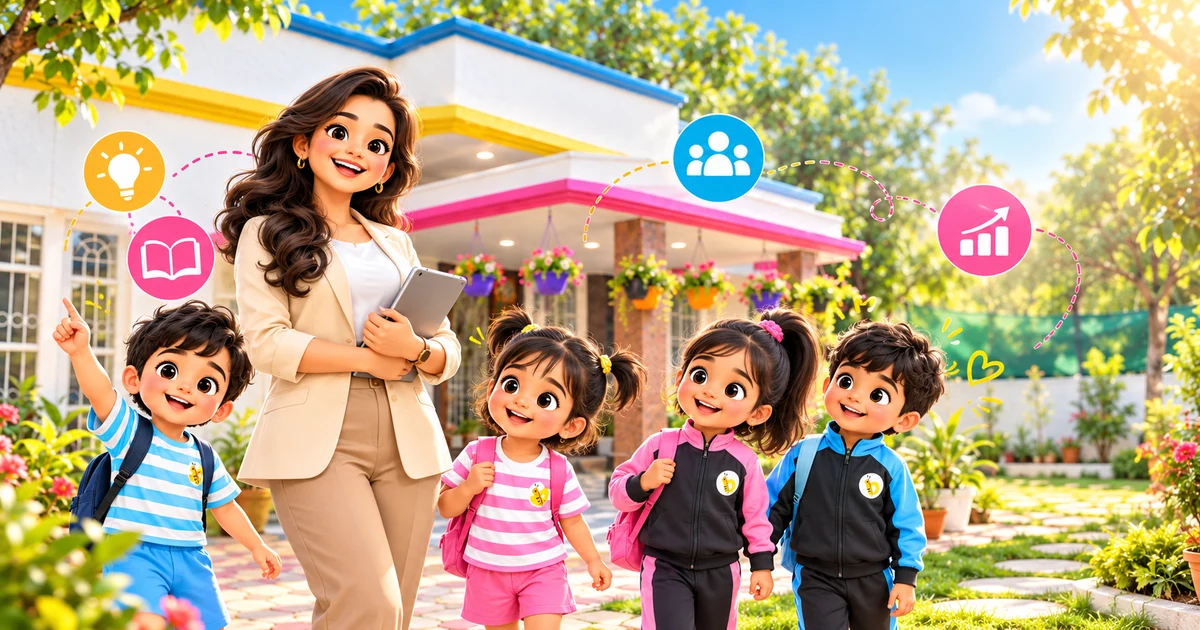
    Kinderbee Editorial Article Illustration - The Zero-Royalty Edge: What It Changes for a Preschool Entrepreneur on Franchise & Business Growth - Nordic Pedagogy Research

    The Zero-Royalty Edge: What It Changes for a Preschool Entrepreneur

    Read story →
    Kinderbee Editorial Article Illustration - A Financial Blueprint for Starting a Premium Preschool in India on Franchise & Business Growth - Nordic Pedagogy Research
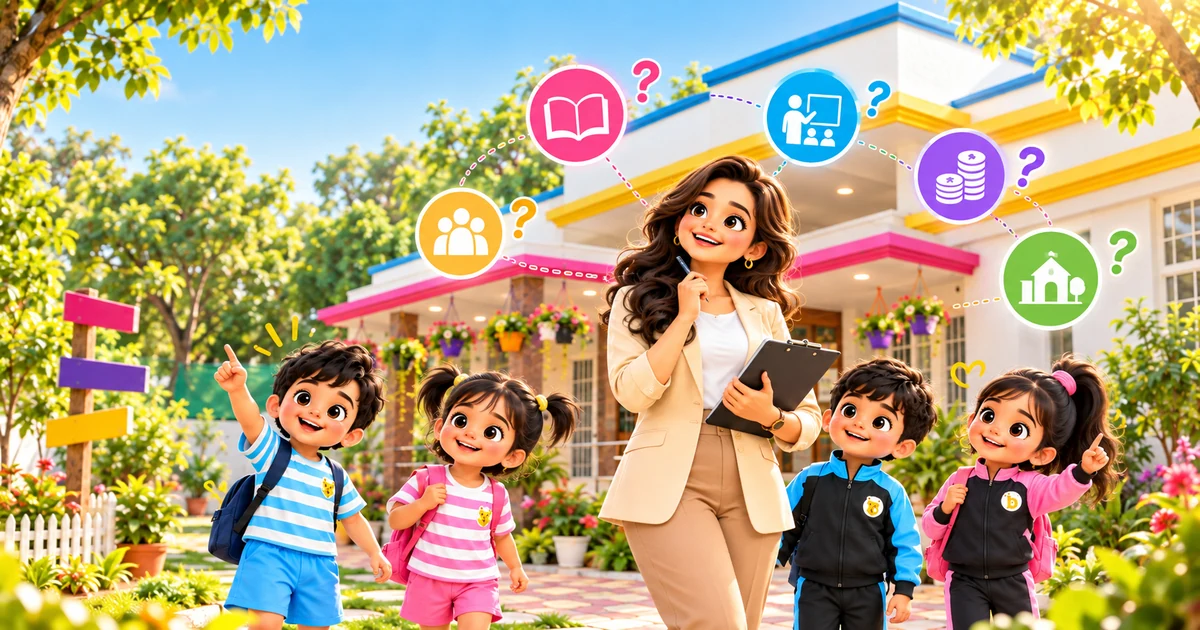
    A Financial Blueprint for Starting a Premium Preschool in India

    Read story →
    Kinderbee Editorial Article Illustration - 7 Questions to Ask Before Choosing a Preschool Franchise on Franchise & Business Growth - Nordic Pedagogy Research

    7 Questions to Ask Before Choosing a Preschool Franchise

    Read story →
    KIPS - Kinderbee Integrated Partnership System Mascot Logo
    KIPS
    Partnership System

    The Kinderbee Integrated Partnership System (KIPS) empowers visionary educators and entrepreneurs with a zero-royalty partnership model, Nordic-inspired play-based curriculum, and 360-degree institutional support aligned with the principles of NEP 2020.

    Quick Links

    Head Office & Support

    Kinderbee International Preschool
    ••••
    © 2026 Finnishway Educare Private Limited. All rights reserved. Kinderbee International Preschool, Finnish-way Academy, and KIPS are operating brands of Finnishway Educare Private Limited.